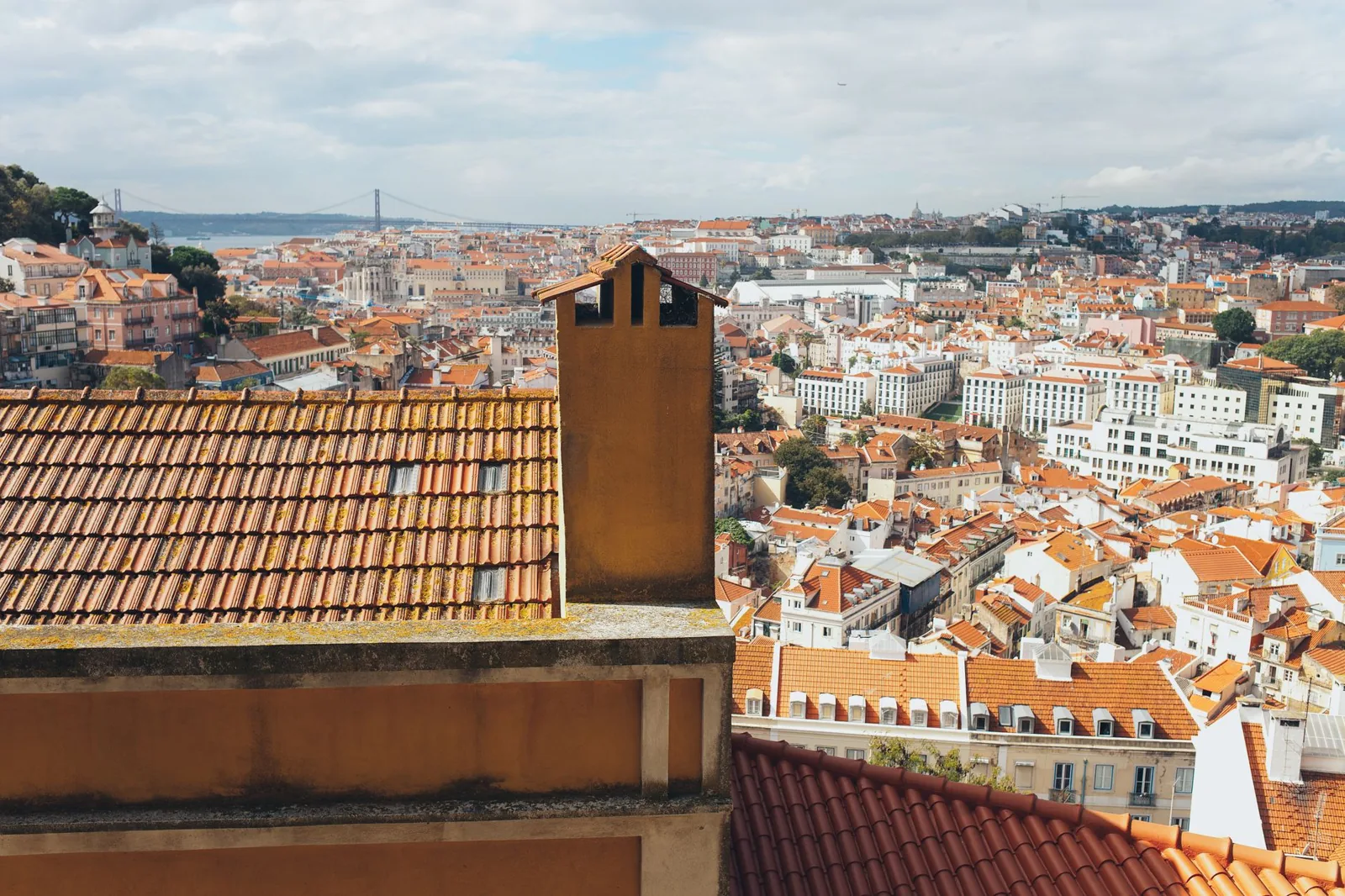
Portugal draws international buyers to its cities, coastline and countryside, and this guide sets out what foreign buyers need to know before purchasing a home there. The catalogue figures below describe listings on europeancribs.com on 6 October 2026, based on asking prices, and are not official statistics. Rules, costs and tax rates are general information verified in October 2026 and can change, so always confirm current figures with a local lawyer, notary or tax advisor before committing to a purchase.
Can foreigners buy?
Portugal places no restrictions on foreign ownership of property, and residency is not required to buy a home there. Every buyer, resident or not, needs a NIF, a Portuguese tax number. The NIF is issued before any purchase can proceed and is used throughout the buying process, including when signing contracts and paying taxes.
Costs and taxes on top of the price
Buyers should budget for several costs on top of the purchase price. The main transfer tax, known as IMT, depends on your tax residency and on whether the property will be your permanent home.
| Cost | Rate |
|---|---|
| IMT transfer tax (non-tax-resident buyer) | Flat 7.5 percent |
| IMT transfer tax (permanent home, 2026 scale) | Progressive scale, exempt up to 106,346 euros |
| Stamp duty | 0.8 percent of the price |
| Notary, registry and legal fees | Around 1.5 percent |
Buyers who are not tax-resident in Portugal pay a flat IMT rate of 7.5 percent since 2026, though exceptions apply if they become resident within two years of the purchase. If the property will be used as a permanent home, the 2026 progressive IMT scale applies instead, which is exempt up to 106,346 euros. On top of IMT, stamp duty is charged at 0.8 percent of the price, and notary, registry and legal costs typically add around 1.5 percent. The agent fee is usually paid by the seller rather than the buyer.
How the purchase works
Once you hold a NIF, buying a home in Portugal typically begins with a promissory contract, the CPCV. Under the CPCV, the buyer pays a deposit called a sinal, commonly between 10 and 30 percent of the price, as a commitment to the sale. The purchase is then completed at the final deed, the escritura, when the remaining balance is paid and ownership transfers to the buyer. A lawyer or notary can guide you through drafting the CPCV, attending the escritura and registering the property afterwards.
What homes cost in our catalogue
On 6 October 2026, europeancribs.com listed 487 homes for sale in Portugal. The median asking price across the catalogue was 410,000 euros, which works out at a median of 5,130 euros per square metre, and the median listed home measured 114 square metres. Prices varied widely: the lower quartile of asking prices was 145,000 euros and the upper quartile was 995,000 euros. 17 percent of listings, 84 homes, were asking under 100,000 euros.
Porto and Lisboa were the most listed places in the catalogue. Porto had 73 listings with a median asking price of 215,000 euros, and Lisboa had 62 listings with a median asking price of 199,000 euros. Other frequently listed areas included Aldoar - Foz do Douro - Nevogilde, with 41 listings and a median of 1,490,000 euros; Cedofeita - Santo Ildefonso - Sé - Miragaia - São Nicolau - Vitória, with 27 listings and a median of 435,000 euros; Santo António, with 22 listings and a median of 1,690,000 euros; and Estrela, with 19 listings and a median of 1,250,000 euros.
Apartments were the most common property type in the catalogue, with 250 listings, followed by chalets with 150, studios with 43 and country houses with 16.
Budget shapes what a buyer can expect to find in the catalogue:
- Around 100,000 euros: 53 listings in this range, typically 108 square metres with 3 bedrooms.
- Around 250,000 euros: 55 listings in this range, typically 44 square metres with 1 bedroom.
- Around 500,000 euros: 56 listings in this range, typically 91 square metres with 2 bedrooms.
Residency and living there
Owning a home in Portugal does not by itself grant residency. Since October 2023, the Golden Visa programme no longer accepts property purchases as a qualifying route to residency. Buyers who want to live in Portugal and have passive income may instead look at the D7 visa, which is aimed at people with passive income. For those on the path to citizenship, the waiting time has been 10 years since May 2026.
Before you view
Apply for your NIF before you start viewing, since you will need it to make an offer or sign a promissory contract. Decide early whether the home will be your permanent residence, as this affects which IMT rate applies to the purchase. Budget for stamp duty and for notary, registry and legal costs on top of the asking price, and remember that the agent fee is normally covered by the seller rather than the buyer. Engage a local lawyer, notary or tax advisor to check the CPCV, confirm the sinal amount and guide you through to the escritura, since they can confirm exactly how current rules and rates apply to your situation.
Browse current homes for sale in Portugal, estimate taxes and fees with the buying-costs calculator, or read the latest Journal article on Portugal.
Rules, taxes and fees are general information verified in October 2026 and can change; regional rules may differ. Catalogue figures are asking prices of homes listed in the European Cribs catalogue on 6 October 2026 and are not official statistics. This guide is not legal, tax or investment advice — for an actual purchase, work with a local lawyer, notary or tax advisor. Cover photo: Elina Sazonova / Pexels.
Browse homes for sale in Portugal
Curated homes for sale across Europe — updated every Saturday
Browse Properties