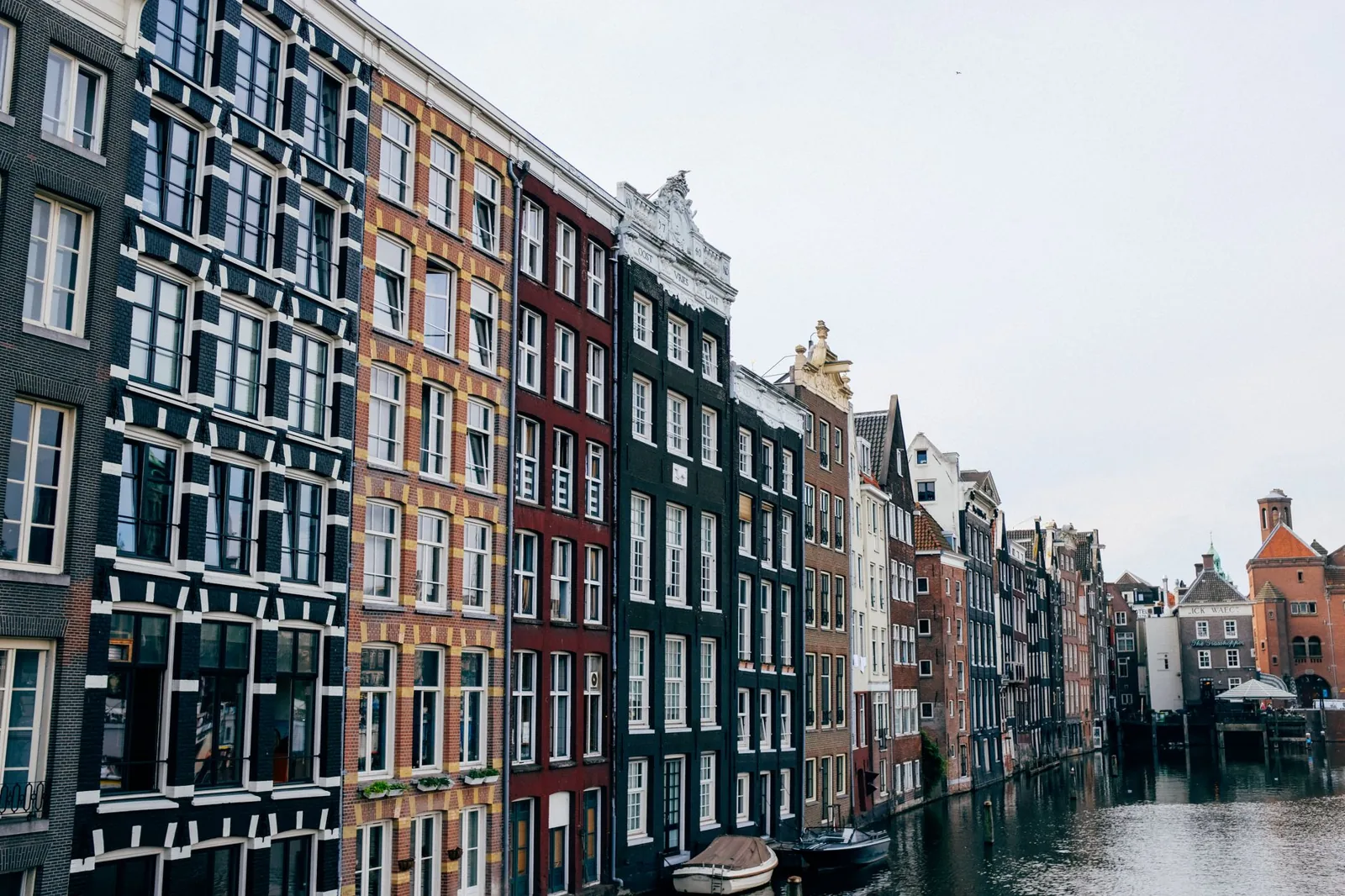
This guide sets out the general rules for buying a home in the Netherlands, verified as of October 2026, alongside a snapshot of our own catalogue as it stood on 6 October 2026. The catalogue figures reflect asking prices on listings at that moment; they are not official statistics and will shift as listings change. Rules, rates and taxes are general information and can change, so always confirm current terms with a local notary, lawyer or tax advisor before committing to a purchase.
Can foreigners buy?
There are no restrictions on foreign ownership of property in the Netherlands, and residency is not required to buy. This applies equally whether you intend to live in the home, use it occasionally, or hold it as an investment.
Costs and taxes on top of the price
Buyers in the Netherlands should budget for several costs beyond the purchase price itself:
- Transfer tax: 8 percent of the price if the home is not your main residence (since 1 January 2026), or 2 percent if you move in as your main residence.
- Notary and land registry (kadaster) fees: around 1 percent of the price.
- Valuation and advisory costs: around 0.5 percent of the price.
- Buying agent (aankoopmakelaar): optional, around 1 percent of the price.
These costs are usually paid by the buyer, a convention known in the Netherlands as kosten koper. It is worth asking a notary or tax advisor to confirm which of these apply to your specific purchase, particularly the transfer tax rate, which depends on whether the home becomes your main residence.
How the purchase works
A Dutch purchase begins with a signed purchase agreement, the koopovereenkomst. Private buyers benefit from a statutory three-day cooling-off period after signing, during which the agreement can still be withdrawn. Once that period has passed, the sale proceeds to transfer at a notary, who handles the legal registration of ownership. It is common for homes in the Netherlands to be sold above the original asking price after a bidding round, so buyers should factor this into their budget expectations from the outset.
What homes cost in our catalogue
On 6 October 2026, our catalogue listed 543 homes for sale in the Netherlands. The median asking price across these listings was 465,000 euros, with a median price per square metre of 5,570 euros. The middle half of listings fell between a lower quartile of 350,000 euros and an upper quartile of 600,000 euros. The median size across the catalogue was 82 square metres. There were no listings under 100,000 euros in the catalogue at this time.
Of the 543 listings, 470 were apartments and 73 were houses, making apartments by far the more common property type in the current catalogue.
The two most listed places were Amsterdam, with 274 listings and a median asking price of 522,000 euros, and Rotterdam, with 269 listings and a median asking price of 385,000 euros.
The table below shows what different budgets typically bought in the catalogue on 6 October 2026:
| Budget | Listings in range | Typical size | Typical bedrooms |
|---|---|---|---|
| 250,000 euros | 80 | 62 m² | 2 |
| 500,000 euros | 213 | 82 m² | 2 |
Running costs and practicalities
Because most purchase-related costs in the Netherlands are paid by the buyer under the kosten koper principle, it is worth setting aside a clear budget line for notary, land registry, valuation and advisory fees in addition to the price of the home itself. Using a buying agent is optional, but at around 1 percent of the price, it can be a useful way to navigate a bidding round, particularly given how frequently homes sell above their asking price. As there is no residency requirement to buy, international buyers can proceed through the same process as Dutch residents, though it remains sensible to arrange independent legal and tax advice tailored to your own situation, especially regarding the transfer tax rate that applies to your purchase.
Before you view
Before arranging viewings, it is worth lining up a notary and, if you plan to use one, a buying agent, since bidding rounds can move quickly once a home you like comes to market. Clarify in advance whether the property will be your main residence, as this affects the transfer tax rate you will pay. Have your financing arranged early, and remember that the statutory three-day cooling-off period begins only after the purchase agreement is signed, so use the time before signing to secure any advice or inspections you need. A local notary, lawyer or tax advisor can confirm the exact costs and obligations that apply to your specific purchase.
Browse current homes for sale in the Netherlands, estimate taxes and fees with the buying-costs calculator, or read the latest Journal article on Netherlands.
Rules, taxes and fees are general information verified in October 2026 and can change; regional rules may differ. Catalogue figures are asking prices of homes listed in the European Cribs catalogue on 6 October 2026 and are not official statistics. This guide is not legal, tax or investment advice — for an actual purchase, work with a local lawyer, notary or tax advisor. Cover photo: Adrien Olichon / Pexels.
Browse homes for sale in Netherlands
Curated homes for sale across Europe — updated every Saturday
Browse Properties